Raksha Bandhan 2026: Date, Shubh Muhurat, Significance & Gift Ideas
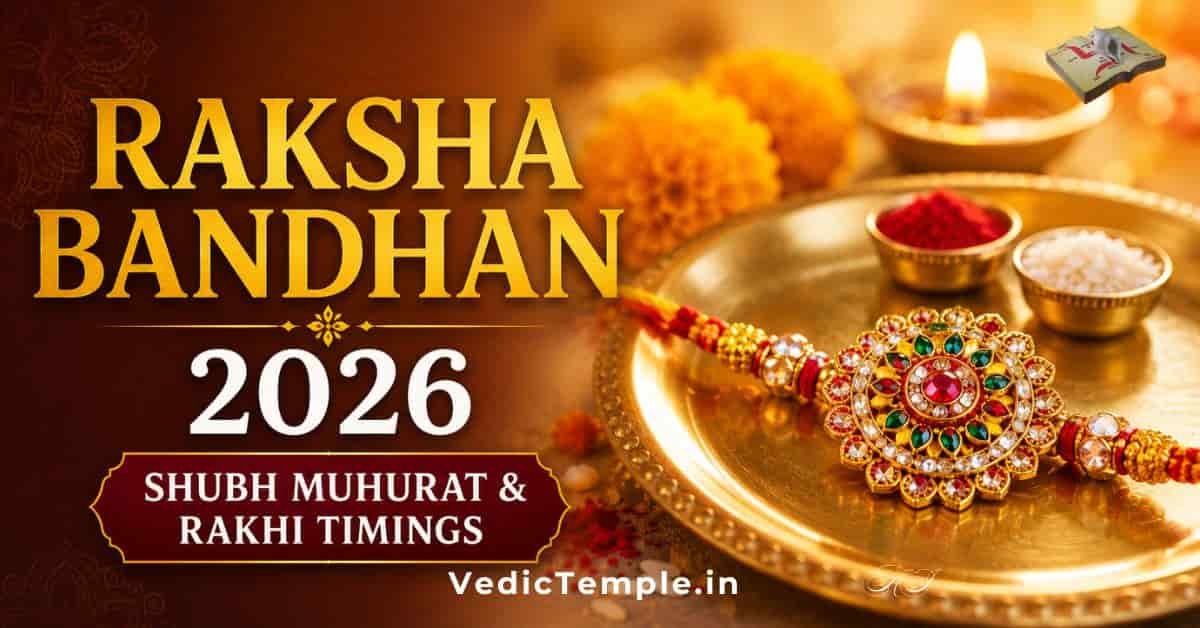
Raksha Bandhan 2026 will be celebrated on Friday, 28 August, the full moon (Purnima) day of the Hindu month of Shravana. The festival marks the bond between brothers and sisters: a sister ties a rakhi thread on her brother's wrist and prays for his wellbeing, and he responds with a gift and a promise of lifelong protection. Because the date follows the lunar calendar rather than a fixed day on the English calendar, it shifts every year — in 2025 it fell on 9 August, and in 2026 it moves to the very end of the month.
Raksha Bandhan 2026 Shubh Muhurat
Hindu tradition treats the timing of the rakhi ceremony as more than a formality. The thread is ideally tied during the Aparahna (afternoon) period, or the Pradosh (early evening) period if afternoon isn't possible, and never during Bhadra Kaal, which is considered inauspicious for this ritual. The good news for 2026: Bhadra ends before sunrise, so the entire day from morning onward is considered a safe window to tie the rakhi.
|
Detail |
Timing |
|
Raksha Bandhan Date |
Friday, 28 August 2026 |
|
Rakhi Thread Ceremony Muhurat |
06:23 AM – 09:48 AM (approx. 3 hours 25 minutes) |
|
Purnima Tithi Begins |
09:08 AM, 27 August 2026 |
|
Purnima Tithi Ends |
09:48 AM, 28 August 2026 |
|
Bhadra Kaal |
Ends before sunrise — the entire day is considered auspicious |
Muhurat timings are calculated for a specific location and can shift by a few minutes depending on your city, so it's worth cross-checking a local Panchang before finalising your ceremony time.
What Raksha Bandhan Actually Means
The name comes from two Sanskrit words: Raksha, meaning protection, and Bandhan, meaning bond or tie. Together they describe a thread that is meant to carry a promise — the sister's prayer for her brother's wellbeing, and his commitment to stand by her. While the ritual is most commonly performed between blood siblings, it has never been limited to them. Cousins, close friends, and even a priest and devotee or a soldier and a well-wisher tie rakhi threads, which is part of why the festival has stayed relevant as families spread across cities and countries.
The History and Legends Behind Raksha Bandhan
Several stories are cited as the origin of Raksha Bandhan, and Indian households tend to grow up with more than one version.
- Krishna and Draupadi: In the Mahabharata, Draupadi tore a strip of cloth from her sari to bandage a cut on Krishna's finger. He later repaid that gesture during her moment of crisis in the Kaurava court, an episode many trace as the emotional root of the brother-sister promise at the heart of Raksha Bandhan.
- Lakshmi and King Bali: In the Bhagavata Purana, Goddess Lakshmi tied a thread on the wrist of King Bali and asked to be treated as his sister so she could bring Lord Vishnu back to her own home — Bali agreed, and the exchange is remembered as one of the festival's founding stories.
- Indra and Shachi: According to the Bhavishya Purana, Indra's wife Shachi tied a protective thread on his wrist before a long battle with demons, on the advice of the sage Brihaspati, which is said to have helped him reclaim his kingdom.
- Rani Karnavati and Humayun: A well-known historical account describes the widowed queen of Chittor sending a rakhi to Mughal emperor Humayun when her kingdom faced invasion — he is said to have sent his army to her aid, a story often used to show the thread's power to cross religious and political lines.
None of these accounts is the single definitive origin; they've layered on top of each other over centuries, which is itself part of why the festival carries so much weight across different communities in South Asia.
How Raksha Bandhan Is Celebrated
The core ritual is simple and fairly consistent across most Hindu households:
- Sisters bathe and dress early, and often prepare or buy the rakhi thread a day in advance.
- A small puja thali is arranged with the rakhi, roli (vermilion), rice grains, a diya and sweets.
- The sister performs aarti for her brother, applies a tilak on his forehead, and ties the rakhi on his right wrist.
- A short prayer or mantra is recited for his long life and prosperity.
- The brother eats a sweet offered by his sister and, in turn, presents her with a gift and a promise of protection.
Many families extend the day with a shared meal, and in households that observe a fast, sisters eat only after the ceremony is complete.
Regional Names and Variations Across India
Raksha Bandhan looks slightly different depending on where in India — or beyond it — it's celebrated:
- West Bengal: Known as Jhulan Purnima, tied closely to the worship of Radha and Krishna.
- Maharashtra: Celebrated alongside Narali Purnima, when the coastal Koli fishing community offers coconuts to the sea god Varuna.
- Odisha: Called Gamha Purnima, and also marked by farmers tying rakhi threads on their livestock.
- Jammu & Kashmir: Kite-flying is a popular addition to the day, since it falls close to Janmashtami.
- Nepal: Observed as Janai Purnima or Rishi Tarpani, where Hindu men traditionally change the sacred thread worn across their chest.
Raksha Bandhan 2026 Gift Ideas
The rakhi itself is the emotional centrepiece of the day, but the gift exchange has become just as anticipated. A few directions worth considering for 2026:
- Personalised keepsakes: photo frames, engraved jewellery, custom mugs or caricatures that reference an inside joke or shared memory.
- Jewellery and accessories: a simple silver or gold rakhi, a bracelet, or a small piece of jewellery for sisters who prefer something they can keep wearing after the festival.
- Gourmet and gift hampers: dry fruits, chocolates, or regional sweets bundled into a hamper, which works well when the gift is being shipped rather than handed over in person.
- Experience-based gifts: a spa voucher, a subscription, or tickets to something the sibling actually enjoys, aimed at people who'd rather have an experience than another object.
- Handmade gifts: hand-tied rakhis, a handwritten letter, or a small craft project, which cost little but tend to be remembered longer than anything bought.
Whatever the budget, the detail that tends to matter most is whether the gift reflects something specific about the sibling — a shared memory, an inside joke, or a need they've actually mentioned — rather than the price tag.
Celebrating Raksha Bandhan From a Distance
A growing number of siblings now live in different cities or countries, and the festival has adapted accordingly. Rakhi threads are commonly couriered a few days ahead so they arrive in time for the muhurat window, and many siblings now schedule a video call to perform the tilak-and-aarti portion of the ritual together in real time even when they can't be in the same room. Sending the gift in advance with instructions to open it during the call has become a common way to recreate the moment of exchange despite the distance.
Frequently Asked Questions
When is Raksha Bandhan in 2026?
Raksha Bandhan 2026 falls on Friday, 28 August, the Purnima (full moon) day of the Shravana month.
What is the shubh muhurat for tying rakhi in 2026?
The recommended window is 06:23 AM to 09:48 AM. Bhadra Kaal ends before sunrise this year, so the rest of the day is also considered auspicious — it's still worth checking a local Panchang for your exact city.
Can Raksha Bandhan be celebrated with someone who isn't a blood sibling?
Yes. Rakhi threads are commonly tied between cousins, close friends, a guru and disciple, or anyone who shares a bond of care and trust — the ritual has never been restricted to biological siblings.
What are popular Raksha Bandhan gifts in 2026?
Personalised keepsakes, jewellery, gift hampers, experience-based gifts and handmade items remain the most popular categories, with personalisation being the biggest trend.
How can siblings celebrate Raksha Bandhan when living in different cities or countries?
Rakhi threads and gifts are sent in advance by courier, and many siblings now perform the tilak-and-aarti ritual over a video call so the ceremony still happens together, just not in person.