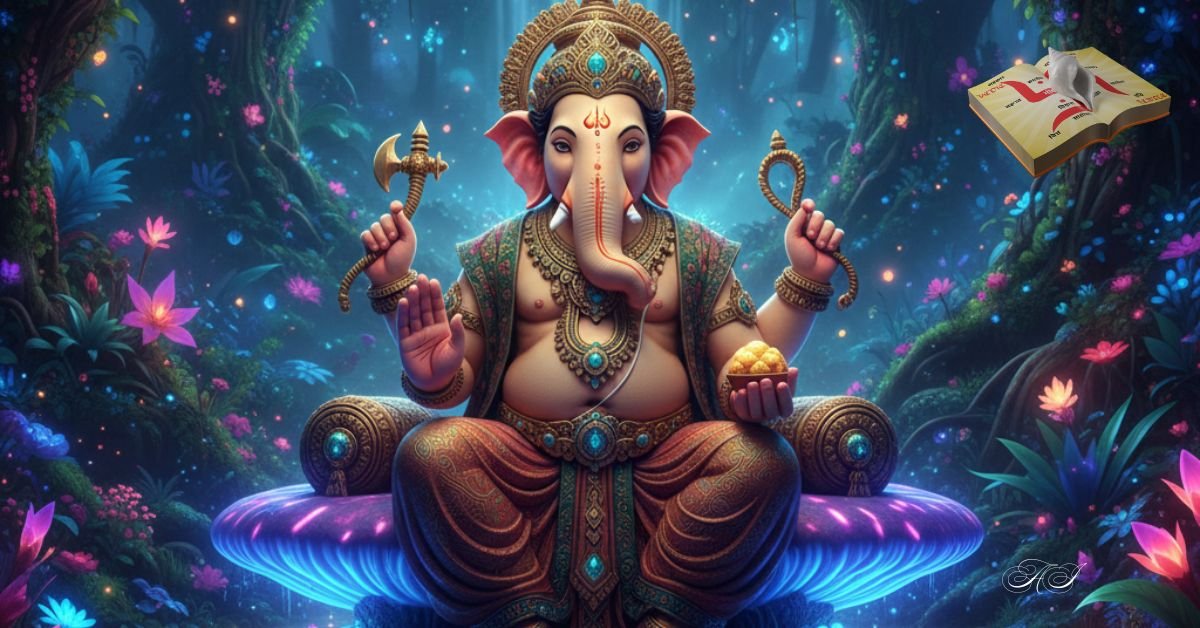
Sankashti Chaturthi 2026: Everything Devotees Need to Know
Sankashti Chaturthi, also known as Sankata Hara Chaturthi, is a sacred monthly fast dedicated to Lord Ganesha, the remover of obstacles. Celebrated on the fourth day (Chaturthi) of the Krishna Paksha (waning phase of the moon) every lunar month, this auspicious day holds immense significance for devotees seeking blessings for prosperity, success, and removal of obstacles from life.
The word "Sankashti" means "the destroyer of difficulties." Unlike general Ganesha worship, this fast specifically targets obstacles—whether they are mental, emotional, financial, or personal. Devotees observe this practice with deep faith and discipline, believing that sincere observance brings relief from struggles and invites divine clarity.
Complete List: Sankashti Chaturthi 2026 Dates
Here are all 12 Sankashti Chaturthi dates for 2026. The three Tuesday dates (Angaraki Chaturthi) marked below are exceptionally powerful:
6 January 2026 — Tuesday Angaraki Chaturthi (Most Powerful)
5 February 2026 — Thursday
6 March 2026 — Friday
5 April 2026 — Sunday
5 May 2026 — Tuesday Angaraki Chaturthi (Most Powerful)
3 June 2026 — Wednesday
3 July 2026 — Friday
2 August 2026 — Sunday
31 August 2026 — Monday
29 September 2026 — Tuesday Angaraki Chaturthi (Most Powerful)
29 October 2026 — Thursday
27 November 2026 — Friday
26 December 2026 — Saturday
Note: In 2026, Sankashti Chaturthi coincides with Tuesday three times (6 January, 5 May, 29 September). When this occurs, the observance is called Angaraki Chaturthi—an exceptionally auspicious day when Mars energy combines with Ganesha energy, multiplying the benefits manifold.
Why Sankashti Chaturthi Matters: Significance & Benefits
Observing Sankashti Chaturthi with sincere devotion is believed to bring multiple benefits:
Removal of Obstacles: The primary purpose is relief from difficulties and obstacles. Lord Ganesha, the supreme remover of obstacles, responds to sincere observance by clearing what blocks the path to success.
Mental Clarity: Fasting and focused intention sharpen mental faculties. Solutions that weren't visible before often become apparent after observance.
Prosperity and Wealth: Regular observance is believed to attract prosperity, financial stability, and career advancement.
Health and Well-being: The practice is associated with improved health, reduced stress, and better emotional balance.
Spiritual Growth: Through disciplined fasting and meditation, devotees deepen their spiritual connection and develop inner strength.
Family Harmony: Observing this vrat with intention for family well-being is believed to promote peace and unity among household members.
Fulfillment of Desires: Sincere devotion and observance are believed to help fulfill genuine wishes and aspirations.
Sankashti Chaturthi Vrat Vidhi: Step-by-Step Procedure
Here's the complete method to observe Sankashti Chaturthi properly:
Morning Preparations
Wake early, ideally before sunrise. Cleanse the body through a purifying bath and wear fresh, clean clothes. This marks the beginning of a sacred day.
Take a Sankalp (vow). Sit in a clean space, preferably facing east or north. Place hands in prayer position. State the intention clearly:
"Today, with sincere devotion to Lord Ganesha, observance of this Sankashti Chaturthi fast is undertaken. May obstacles be removed, clarity be granted, and blessings of prosperity and well-being be received."
Be specific about what obstacle or difficulty is being addressed.
Fasting During the Day
Observe a fast from sunrise to moonrise. Two options are available:
Nirjala Vrat (Strict): Complete abstinence from food and water.
Partial Fast: Consumption of fruits, roots, vegetables, sabudana khichdi, peanuts, or potatoes is permissible. Grains, pulses, and salt are avoided until the fast is broken.
Spend the day intentionally. Engage in spiritual practices such as chanting, meditation, reading the Sankashti Vrat Katha, or listening to devotional music. Maintain purity of thought and avoid negativity or conflict.
Chant the Ganesha mantra: "Om Gam Ganapataye Namah" throughout the day. This powerful mantra connects devotees with Ganesha's energy and strengthens the intention.
Evening Puja (Worship)
Prepare the puja space: Clean the area and place an idol or photograph of Lord Ganesha on an altar. Decorate with durva grass (sacred grass), fresh red flowers, incense sticks, and lamps.
Perform the puja:
-
Light the lamp before the idol
-
Offer flowers and water
-
Offer modak (sweet dumpling), laddoos, or other naivedya (offerings)
-
Ring the bell and bow with devotion
-
Chant mantras and recite the Sankashti Vrat Katha
-
Perform aarti (ritual of offering light)
Moon Sighting and Arghya (Critical Step)
Wait for moonrise. The fast is broken only after sighting the moon. This is non-negotiable and central to the practice.
Perform Chandra Darshan (moon sighting): When the moon appears, step outside and look at it with gratitude and prayer.
Offer Arghya: Offer water mixed with flowers, sandalwood, sesame seeds, and rice to the moon while praying for mental peace, clarity, and removal of obstacles.
Final prayer to Ganesha: Bow once more before the Ganesha idol with folded hands, expressing gratitude and devotion.
Breaking the Fast
Consume prasad first: Begin with the blessed food offered to Ganesha during puja.
Eat simple, satvik food: Fruits, milk, kheer, or light foods are appropriate. Avoid heavy, spicy, or non-vegetarian foods.
Share with family: Distribute prasad among family members to extend the spiritual benefits.
Four Major Chaturthis of the Year
While Sankashti Chaturthi occurs monthly, four special Chaturthis hold particular significance:
1. Vaisakha Chaturthi (April/May) — Spring month; represents new beginnings
2. Bhadrapada Chaturthi (August/September) — Ganesh Chaturthi; the most celebrated Ganesha festival
3. Kartika Chaturthi (October/November) — Autumn month; represents spiritual awakening
4. Magha Chaturthi (January/February) — Winter month; also called Sakat Chauth; particularly auspicious for obstacle removal
The January 6, 2026 Sankashti (Magha Sankashti) is especially significant, particularly as it falls on Tuesday (Angaraki Chaturthi).
Angaraki Chaturthi: When Sankashti Falls on Tuesday
When Sankashti Chaturthi coincides with Tuesday, it becomes Angaraki Chaturthi—an exceptionally potent observance.
Tuesday is ruled by Mars (Mangal), the planet of courage, strength, action, and perseverance. When Ganesha's obstacle-removing energy combines with Mars's strength-giving energy, profound transformation occurs.
In 2026, three Angaraki Chaturthi dates deserve special focus:
6 January 2026 — Lambodara Sankashti; ideal for new year transformation
5 May 2026 — Mid-year recalibration and energy renewal
29 September 2026 — Final major push for year-end transformation
Benefits of Angaraki Chaturthi:
-
Faster removal of deep-rooted obstacles
-
Increased courage and inner strength
-
More immediate and tangible results
-
Greater willpower for taking decisive action
Angaraki Chaturthi is especially recommended for devotees facing severe obstacles, repeated failures, health challenges, financial instability, legal complications, or delays in career and marriage.
The Importance of Moon Sighting on Sankashti Chaturthi
Moon worship is the essential conclusion to the Sankashti Chaturthi fast. This step cannot be skipped:
Mental Peace: The moon governs the mind in Vedic astrology. Moon worship calms mental turbulence and brings emotional stability.
Symbolic Completion: The fast is incomplete without moon sighting and worship. This completion triggers the actual transformation.
Enhanced Receptivity: After fasting all day, the mind is in a clear, receptive state—the perfect condition to receive the moon's calming, clarity-bringing energy.
Fulfillment of Commitment: By waiting for the moon and performing worship, devotees honor their vow and demonstrate serious intent to remove obstacles.
Even if other aspects of the observance are imperfect, sighting the moon and performing simple worship ensures the fast's spiritual benefits are received.
Common Questions About Sankashti Chaturthi
Q: What if complete fasting isn't possible?
A: A partial fast with fruits and milk is acceptable. Sincerity and discipline matter more than strictness.
Q: What if the moon cannot be sighted due to weather?
A: Offer water toward the direction of the moon after it rises, and perform the puja with sincere intention. The intention matters; perfect conditions are secondary.
Q: Can Sankashti Chaturthi be observed while traveling?
A: Yes. An elaborate setup is unnecessary. Even in simple circumstances, fasting, chanting the mantra, and worshipping the moon bring benefit.
Q: How often should devotees observe this fast?
A: Ideally, every month for consistent benefits. However, observing at least the three Angaraki Chaturthi dates yearly provides significant spiritual impact.
Q: Can families observe together?
A: Absolutely. Collective observance with shared intention creates amplified spiritual energy for the entire household.