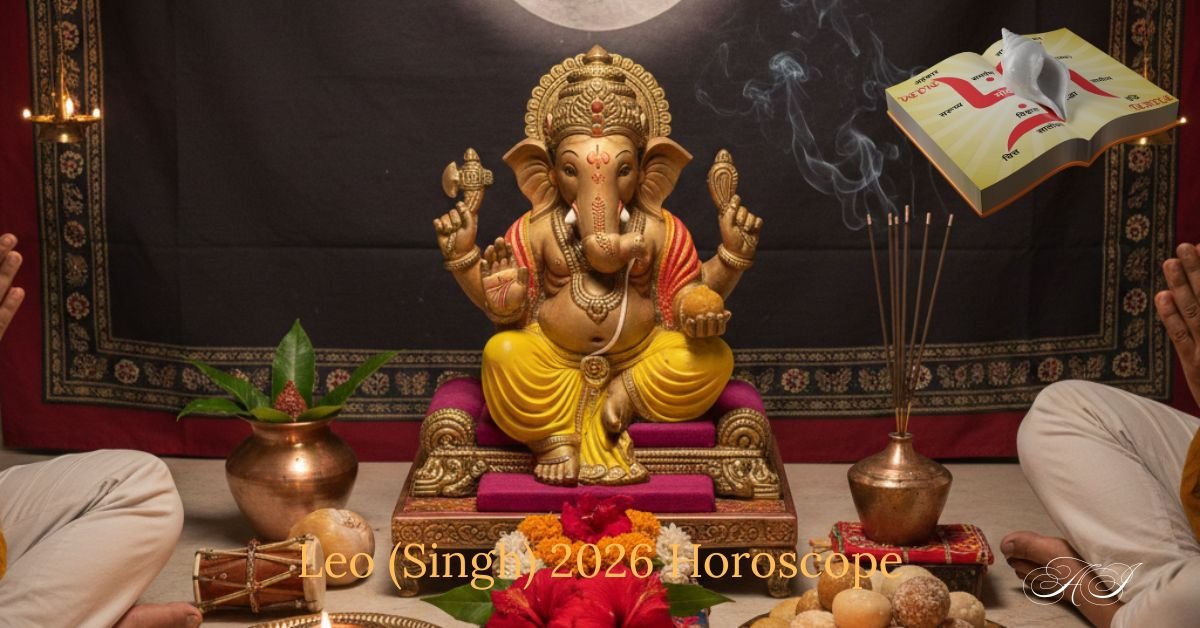
Sankashti Chaturthi is one of those observances that a lot of people do without really understanding why. You hear it's good for Lord Ganesha, you fast, you do puja, and that's mostly it. But there's actual substance here if you dig into it.
The word "Sankashti" literally means "difficult" or "tight spot." Chaturthi is the fourth lunar day. So Sankashti Chaturthi is basically the day dedicated to asking Ganesha to get you out of difficult situations. Out of problems. Out of obstacles. It's practical spirituality.
Unlike regular Chaturthi (which happens twice a month), Sankashti Chaturthi is specifically the Chaturthi that falls during Krishna Paksha—the waning moon. The energy is different. It's introspective, problem-solving energy. You're working with Ganesha to dissolve obstacles, not to start new things.
2026 Sankashti Chaturthi Dates
This year, Sankashti Chaturthi falls on these dates:
-
January 14, 2026 (Wednesday)
-
February 13, 2026 (Friday)
-
March 16, 2026 (Monday)
-
April 15, 2026 (Wednesday)
-
May 14, 2026 (Thursday)
-
June 12, 2026 (Friday)
-
July 12, 2026 (Sunday)
-
August 11, 2026 (Tuesday)
-
September 9, 2026 (Wednesday)
-
October 9, 2026 (Friday)
-
November 8, 2026 (Sunday)
-
December 7, 2026 (Monday)
Mark these dates if you're planning to observe regularly. A lot of people don't realize these happen monthly—they think it's once a year. Once you know the pattern, you can plan ahead.
The Actual Fasting Rules (What's Required vs. What's Optional)
Here's where people get confused. There are "rules" and then there's what actually matters.
The Basic Fast:
Sankashti Chaturthi typically involves fasting until you see the moon in the evening. That's the core of it. Not necessarily a complete food fast—different traditions interpret it differently.
Some people do a strict fast (no food, no water all day). Some do a partial fast (no grains, no salt, eating only fruits and milk products). Some just avoid a heavy meal and eat light sattvic food. All of these are accepted in different traditions.
The point isn't to torture yourself. It's to create lightness, both physically and mentally. When your stomach isn't working on digestion, your mind becomes clearer. Your body feels lighter. You're more present for the spiritual practice.
So here's the honest version: Do whatever fast your body can handle while still functioning. If you're sick, pregnant, elderly, or have a health condition, a strict fast isn't required. The intention matters more than starving yourself.
The Evening Ritual:
After sunset, you watch for the moon. Seeing the moon is significant—it breaks the fast and marks the turning point from darkness to light. Once you see the moon, you do puja to Ganesha, then eat.
A lot of traditions say you should eat sweet food first after the fast—traditionally kheer (rice pudding) or some other milk-based sweet. The sweetness symbolizes breaking through to better times. It's nice symbolism and it actually works—eating something gentle on an empty stomach after fasting is wise anyway.
Why Evening Matters (More Than You Think)
The reason Sankashti Chaturthi specifically involves seeing the moon is because you're essentially saying: "I've made it through the difficult day. I've fasted, I've focused, I've asked for help. And now the light returns."
It's not random ritual. It's working with actual lunar energy. The new moon period (when Sankashti falls) is introspective and dark. By the time you see the moon in the evening, energy is literally starting to shift. You're consciously acknowledging that shift.
If it's cloudy and you can't see the moon, most traditions say you can still break the fast after a reasonable time in the evening. The ritual isn't about torturing yourself waiting for the moon. It's about the intention and the practice.
The Puja Part (Keep It Simple)
You don't need an elaborate setup. For home puja, you need:
-
An image or idol of Ganesha
-
Flowers (any flowers work)
-
Incense
-
A diya (lamp)
-
Some prasad (blessed food—fruits, sweets, whatever you have)
-
Water
Light the lamp. Offer flowers and incense. Say a simple prayer or chant the Ganesha Mantra ("Om Gam Ganapataye Namaha"). Focus on asking for obstacles to be removed, for clarity, for support in dealing with whatever's difficult in your life right now.
You don't need to recite complex Sanskrit verses if that's not your practice. Sincere prayer in your own language works just as well. Ganesha is about removing obstacles—he's practical and direct. He responds to sincere intention, not elaborate performance.
Who Should Do This?
Sankashti Chaturthi isn't mandatory for everyone. But it's particularly good for:
-
People facing obstacles or stuck situations
-
Students dealing with difficult exams or decisions
-
People starting new ventures who want protection
-
Anyone going through a challenging period
-
Those with an established Ganesha practice
If you're already doing Ganesha puja regularly, adding Sankashti Chaturthi once a month deepens your practice. If you're not established in any practice, one day a month is manageable and meaningful.
The Real Benefit
Here's what actually happens when you observe Sankashti Chaturthi consistently: Your mind becomes more problem-solving oriented. You're consciously identifying obstacles instead of just complaining about them. You're focused on removing them, not accepting them. You're working with cosmic timing rather than against it.
Whether you believe Ganesha is an actual deity intervening or a symbolic focus for your own intelligent problem-solving—does it matter? Either way, you're more intentional. You're more focused. Obstacles get removed.
That's what Sankashti Chaturthi actually does.